
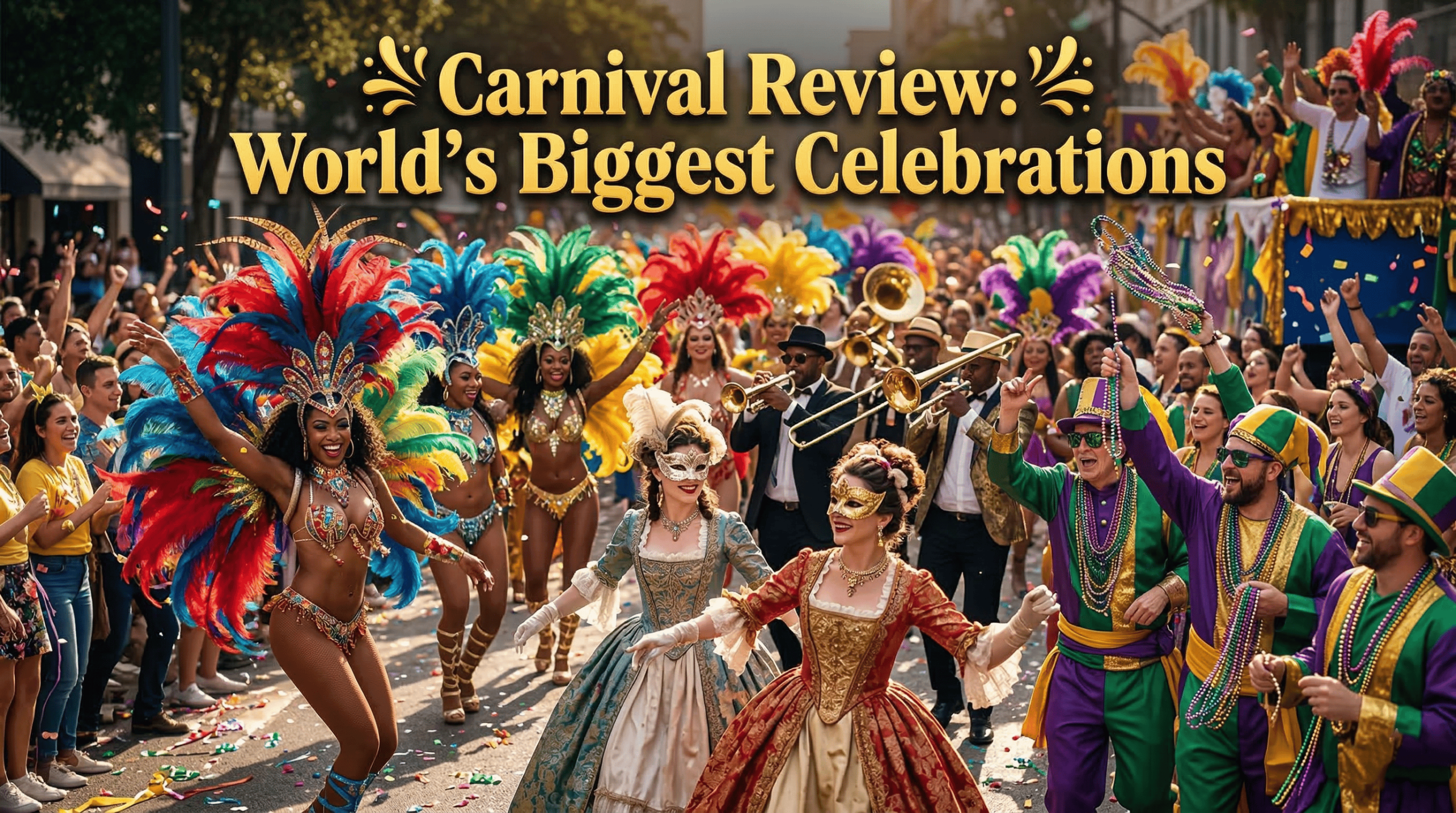
Carnival Review: A Complete Guide To The World’s Biggest Celebrations
Bright colors, pulsating rhythms, and a sense of freedom fill the air when carnival arrives. Around the world, millions gather each year to celebrate life, heritage, and community through grand festivals known as carnivals. But what makes a carnival truly special?
How do the famous carnivals compare, and what should a first-timer know? This in-depth review explores the heart of carnival traditions, the highlights of top events, and tips for making your carnival experience unforgettable.
What Is A Carnival?
A carnival review is a public festival often held before Lent, a time of fasting in many Christian traditions. However, the word “carnival” now describes a broad range of festive events, some religious and some purely cultural. Common features include parades, costumes, music, dancing, and street parties. While each carnival is unique, they all share a spirit of joy, inclusivity, and creativity.
Carnivals are more than just parties. They are important for local identity, bringing together people from all walks of life. In some regions, carnival is a way to remember history, express resistance, or showcase art. Understanding these roots helps you enjoy carnival on a deeper level.
The History And Meaning Behind Carnivals
To appreciate the energy of carnival review, it helps to know its origins. The tradition dates back to ancient times, with influences from Roman festivals like Saturnalia, where social rules were relaxed for a few days. As Christianity spread, these old festivals merged with pre-Lenten celebrations, especially in Catholic countries.
Carnival’s name comes from the Latin “carne vale,” meaning “farewell to meat. ” Historically, people would feast and celebrate before Lent, a period when many abstained from rich foods. Over centuries, carnivals grew in size and complexity, incorporating local customs, African and Indigenous influences, and creative new elements.
Today, carnival is a global celebration. From Rio de Janeiro to Venice, people bring their own style, making each carnival distinct but connected by a love of life.
Major Carnivals Around The World
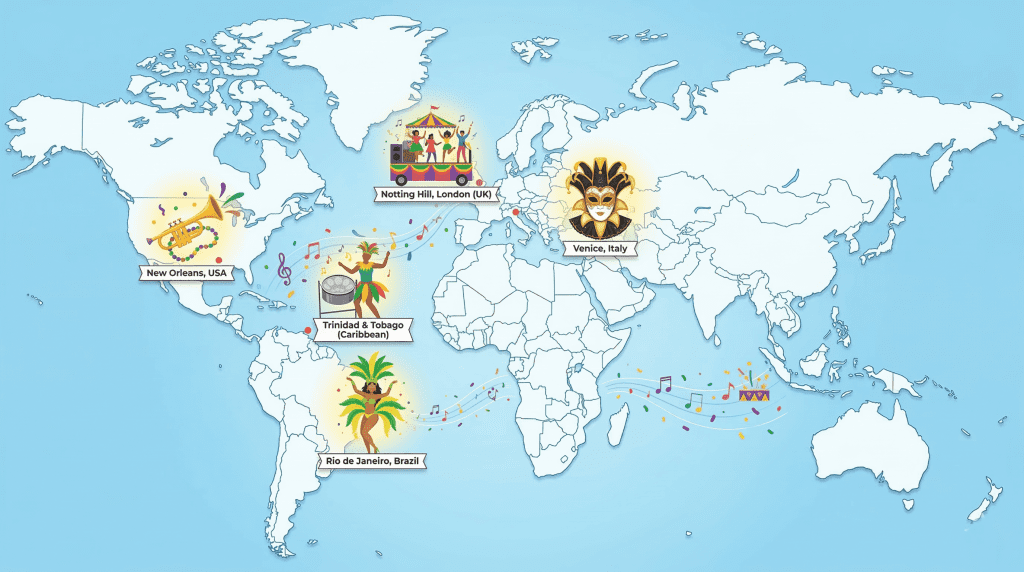
Not all carnivals are equal in size or style. Some are small local gatherings, while others attract millions of visitors and are broadcast worldwide. Let’s explore some of the most famous carnivals and what makes each unique.
| Carnival | Location | Estimated Attendance | Main Features |
|---|---|---|---|
| Rio Carnival | Brazil | ~2 million/day | Samba parades, costumes |
| Venice Carnival | Italy | ~3 million | Masks, balls, canals |
| Trinidad & Tobago Carnival | Caribbean | ~500,000 | Soca, calypso, costumes |
| Notting Hill Carnival | United Kingdom | ~2 million | Caribbean music, parade |
| New Orleans Mardi Gras | USA | ~1.4 million | Floats, beads, jazz |
Rio De Janeiro Carnival
The Rio Carnival is the largest in the world, famous for its extravagant samba parades. Each year, samba schools compete in the Sambadrome, with dancers in glittering costumes and breathtaking floats. Street parties called “blocos” fill the city with music and dancing. Visitors from across the globe come to experience the electric atmosphere, making it a bucket-list event for many.
Venice Carnival
The Venice Carnival is known for its mysterious masks and elegant costumes. Set in the romantic city of Venice, this carnival offers a different vibe—less wild, more theatrical. Visitors enjoy masked balls, classical concerts, and parades along the canals. The tradition of wearing masks comes from a time when social class barriers were hidden, allowing everyone to mingle freely.
Trinidad And Tobago Carnival
Often called “The Greatest Show on Earth,” Trinidad and Tobago carnival review is a high-energy celebration of Caribbean culture. The music—mainly soca and calypso—is the heartbeat of the festival. The highlight is “Mas,” where costumed groups (called bands) parade through the streets. “J’ouvert,” an early morning street party, marks the start with paint, mud, and joyful chaos.
Notting Hill Carnival
Held in London, the Notting Hill Carnival celebrates Caribbean heritage in the UK. It’s the largest street festival in Europe, with steel bands, colorful costumes, and delicious food. The event began as a response to racial tensions, turning into a powerful symbol of multicultural unity. Families, performers, and tourists all join the two-day party.
Mardi Gras, New Orleans
Mardi Gras in New Orleans is famous for its vibrant parades, jazz music, and unique traditions like bead-throwing from floats. The city’s French Quarter comes alive with masquerade balls, street performers, and king cake. Mardi Gras has deep roots in French Catholic culture but has evolved into a melting pot of influences, reflecting the city’s diverse history.
Key Elements Of A Carnival
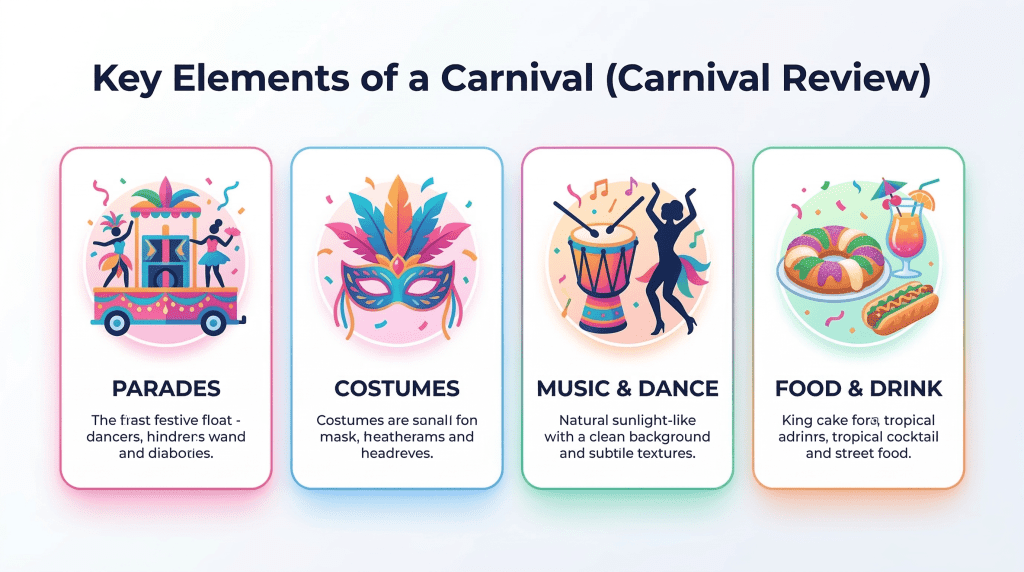
Every carnival has its own character, but certain features appear almost everywhere. Understanding these helps you get the most from your experience.
Parades
Parades are the centerpiece of most carnivals. They can be elaborate, with floats, dancers, and musicians, or simple processions led by the community. Parades often tell a story or celebrate local heroes, and participation is sometimes open to everyone.
Costumes
Costumes are a hallmark of carnival. In some places, people spend months creating outfits that are colorful, symbolic, or just fun. Masks play a big role in Venice and New Orleans, while feathers and sequins dominate Rio and Trinidad.
Music And Dance
Each carnival has its own soundtrack. In Brazil, it’s samba; in the Caribbean, soca and calypso. Music is not just for listening—it’s for dancing. Street parties encourage everyone to join in, regardless of skill level.
Food And Drink
Carnival is a feast for the senses, and that includes taste. Local foods are everywhere, from New Orleans’ king cake to Trinidad’s doubles (a spicy chickpea sandwich). It’s a chance to try regional specialties and street food.
Community And Tradition
At its heart, carnival is about community. Families, friends, and strangers come together to celebrate. Many traditions, like the crowning of a carnival king or queen, have deep cultural roots.
Carnival Vs. Festival: What’s The Difference?
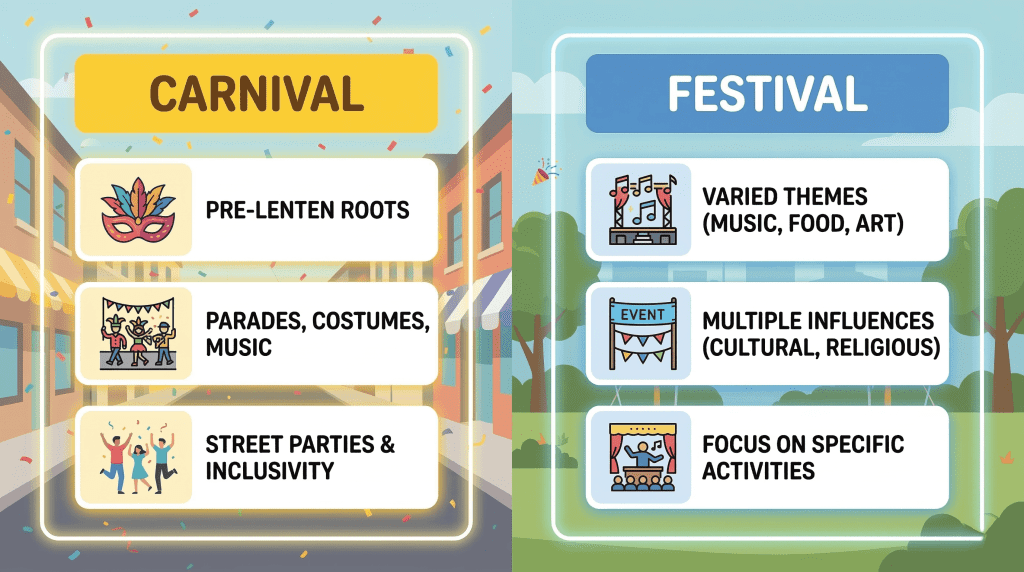
People often use “carnival” and “festival” interchangeably, but they are not the same. A carnival is a specific type of festival with roots in pre-Lenten traditions, often featuring costumes and parades. A festival can be any celebration—music, food, art, religion—without the same historical context.
Here is a simple comparison:
| Aspect | Carnival | Festival |
|---|---|---|
| Origin | Pre-Lenten, religious/cultural | Varied (music, food, art, etc.) |
| Main Features | Parades, costumes, music | Depends on theme |
| Timing | Usually before Lent | Any time of year |
| Examples | Rio, Venice, Mardi Gras | Oktoberfest, Coachella |
Planning Your Carnival Experience
Attending a carnival can be life-changing. But with so much going on, planning is key to a great experience. Here are some tips and insights to help you prepare.
Choose The Right Carnival
Not every carnival suits every traveler. Consider these factors:
- Size: Do you want to be in a crowd of millions (Rio, Notting Hill) or a smaller, more local event?
- Style: Are you drawn to dance parties, masked balls, or cultural parades?
- Location: Some carnivals are in big cities, others in small towns. Think about travel logistics and accommodation.
Book In Advance
Major carnivals can sell out hotels months ahead. Flights and event tickets also rise in price. Booking early saves money and stress.
Learn The Customs
Each carnival has its own rules and traditions. For example, in Trinidad, it’s common to join a “band” (costumed group) for the parade. In Venice, masks are almost required. Researching local customs helps you fit in and avoid mistakes.
Safety And Belongings
carnival review are generally safe, but large crowds can attract pickpockets. Use a money belt or secure bag. Watch your drink in crowded bars. Always know where you can find help if needed.
Respect The Culture
Carnival is not just a party—it’s part of local identity. Respect costumes, music, and traditions, even if they feel unfamiliar. Ask before taking photos of people in costume, and avoid behavior that might offend.
What Makes A Great Carnival?
Some carnivals are famous for a reason. But even small, local events can be unforgettable. Here are qualities that make a carnival stand out.
Creative Energy
The best carnivals are full of creativity. This shows in costumes, floats, music, and the way people celebrate. Original ideas and personal touches make each carnival unique.
Inclusivity
A true carnival welcomes everyone—locals, tourists, young, old, all backgrounds. The sense of belonging is powerful and creates lasting memories.
Strong Traditions
Memorable carnivals connect to history and culture. Whether it’s a centuries-old ritual or a new custom, these traditions give depth and meaning to the celebration.
Local Flavor
Great carnivals showcase local food, music, and art. Trying new dishes or hearing new rhythms makes the event special.
Community Spirit
Carnival works best when the whole community joins in. Volunteering, performing, or just dancing in the street, everyone helps create the magic.
Surprising Insights About Carnivals
Most people know about costumes and parades, but a few details often go unnoticed by beginners.
- Carnival is year-round. While the main season is before Lent, some places hold carnivals at different times. For example, the Quebec Winter Carnival is in February, but Notting Hill is in August.
- Many carnivals are rooted in resistance. In the Caribbean and Latin America, carnival often started as a way for enslaved or marginalized people to express freedom and identity.
- Sustainability is a growing focus. Some carnivals are now banning plastic, using recycled materials for costumes, and promoting green transport.
- Competitions drive creativity. In Rio and Trinidad, groups compete for best costumes or music, pushing innovation every year.
- You don’t always need a ticket. While some events charge entry, many street parties and parades are free to join.
Carnival Cost: Budgeting For Your Trip
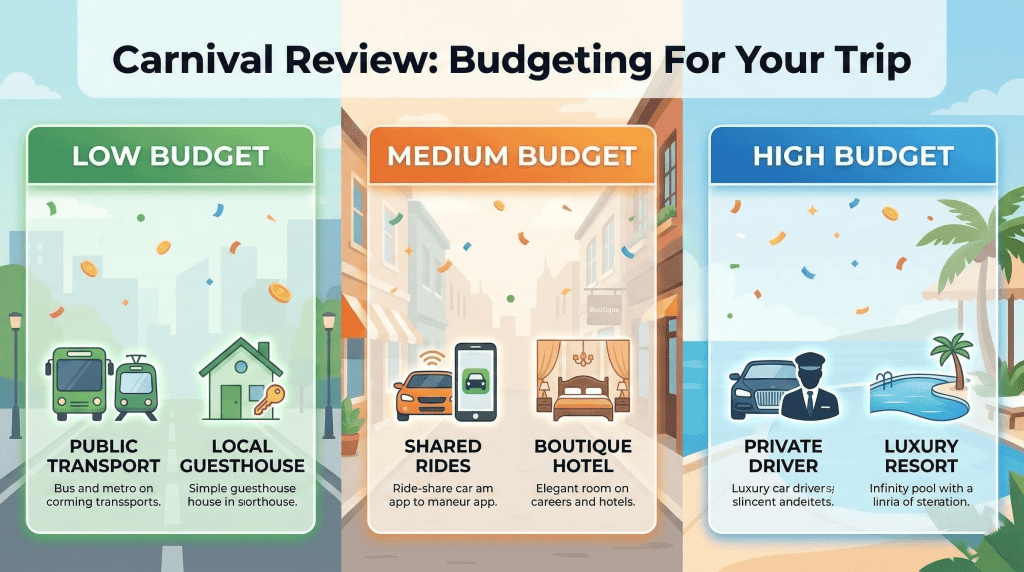
A carnival trip can be affordable or expensive, depending on your choices. Here’s a simple comparison of costs for three major carnivals:
| Expense | Rio | Venice | New Orleans |
|---|---|---|---|
| Flight (from US/EU) | $700–$1200 | $400–$800 | $200–$500 |
| Hotel/night | $80–$300 | $100–$350 | $90–$250 |
| Costume/Mask | $100–$800 | $30–$200 | $20–$150 |
| Parade Ticket | $50–$300 | Free–$200 | Free |
Non-obvious tip: In many cities, staying slightly outside the main area can save you money, and public transport usually runs late during carnival.
How To Participate Like A Local
Watching is fun, but joining in makes carnival memorable. Here are ways to get involved:
- Join a band or group. In Trinidad, sign up for a masquerade band and get a costume, drinks, and a spot in the parade.
- Volunteer. Many carnivals need helpers for organizing, cleaning, or guiding visitors.
- Learn the music and dance. Take a samba or soca class before you go, or just watch online tutorials.
- Try the food. Ask locals for their favorite carnival snacks—you’ll often find hidden gems not listed in travel guides.
- Respect local schedules. Some events start very early or run all night. Check the program so you don’t miss the highlights.
Carnival For Families
Carnival can be family-friendly. Many parades have special kids’ sections, and some cities offer daytime events. Safety is key—stay together in crowds and plan meeting spots. Bring ear protection for young children, as music can be very loud.
“For families traveling to large, crowded festivals, keeping track of health and recovery is vital. High-energy events can be exhausting, so using a wearable device can help. Check out our latest [Ultrahuman Ring Review] to see how a smart ring can help you track your sleep and recovery during busy travel seasons.”
Some carnivals, like Venice, are especially good for families, with quieter areas and lots of activities. Others, like Rio, can be overwhelming for small kids but still possible with careful planning.
Common Mistakes To Avoid
- Not planning ahead. Last-minute bookings can mean high prices or no rooms at all.
- Ignoring local customs. Every carnival has unwritten rules—learn them to avoid awkward moments.
- Carrying valuables. Leave expensive items at your hotel and use a secure bag.
- Overdoing it. Carnival can be exhausting. Take breaks, drink water, and don’t try to see everything.
- Assuming all carnivals are the same. Each one has its own style, so do your research.
Extra insight: Some carnival review have special days for certain groups, such as children, seniors, or LGBTQ+ communities. Check the schedule for events that match your interests.
The Impact Of Carnival On Local Communities
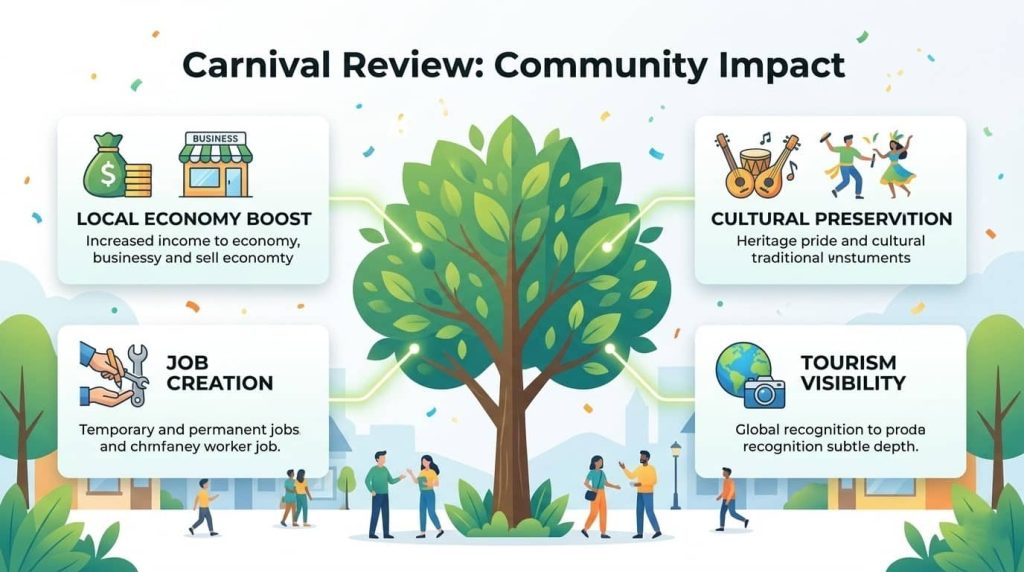
Carnival is not just entertainment. It has a big effect on local economies and societies.
- Tourism boost: Major carnivals bring in millions of dollars through hotels, restaurants, and transport.
- Job creation: Costume makers, musicians, and event staff often rely on carnival for income.
- Cultural pride: Carnival is a way for people to celebrate their heritage and pass on traditions.
- Challenges: Large crowds can strain city services, and some locals dislike the noise or mess.
Some cities are working to balance economic benefits with quality of life, including better waste management and security.
Carnival And Social Change
Throughout history, carnival has been a way for people to challenge authority, break social barriers, and push for change.
- In Brazil, samba schools began in poor neighborhoods, giving a voice to marginalized communities.
- In the Caribbean, carnival was shaped by the struggles of enslaved people.
- In Europe, masks allowed ordinary people to mock the rich and powerful.
Today, carnival can still be a platform for protests or raising awareness, from LGBTQ+ rights to environmental issues.
Carnival In The Digital Age
Modern technology is changing how people enjoy carnival. Livestreams and social media allow millions to join from afar. Some carnivals have official apps with event maps, safety information, and ticket sales.
Tip: Follow local hashtags or social media accounts for up-to-date info and secret parties.
Is Carnival For Everyone?
Carnival is open to all, but it’s not for everyone. If you dislike crowds, loud music, or late nights, you might prefer smaller festivals or daytime events. But for most people, carnival is a once-in-a-lifetime experience full of joy, discovery, and connection.
Frequently Asked Questions
What Is The Difference Between Carnival And Mardi Gras?
Mardi Gras means “Fat Tuesday” in French and is the final day before Lent. In the US, especially New Orleans, Mardi Gras is a specific event with its own traditions. A carnival is a broader festival season that includes Mardi Gras and many other events.
Can I Attend A Carnival Without A Costume?
Yes, but wearing a costume or mask often makes the experience more fun. In some places, like Venice or Rio, costumes help you blend in and join the celebrations.
Are Carnivals Safe For Solo Travelers?
Most major carnivals are safe, but always stay aware in crowds. Use secure bags, avoid dark areas at night, and follow local advice. Many solo travelers have a great time by joining groups or guided tours.
How Do I Find Out When And Where The Next Carnival Is?
Check official tourism websites or local event calendars. Some carnivals, like Rio and Venice, follow the Christian calendar, so dates change each year. Others, like Notting Hill, happen on fixed dates.
Where Can I Learn More About The History Of Carnival?
For deeper information, visit resources like the Wikipedia Carnival page, which offers detailed history, facts, and links to related topics.
Carnival is more than just a party—it’s a window into culture, creativity, and human connection. Whether you watch from the sidelines or dance in the streets, the memories will last a lifetime.